Essential Guide to Imported Engine Parts: What to Consider Before You Buy
When traversing the world of imported engine parts, multiple factors deserve close attention. Quality, fit, and pricing serve critical functions in ensuring peak automotive performance. It is essential to recognize the indicators of quality and to confirm that components satisfy particular vehicle specifications. Moreover, partnering with trustworthy vendors can substantially affect the entire process. Grasping these factors will assist in reaching well-informed choices, though many continue to miss critical details that may affect their buying decisions.
Why Imported Engine Components Are Essential
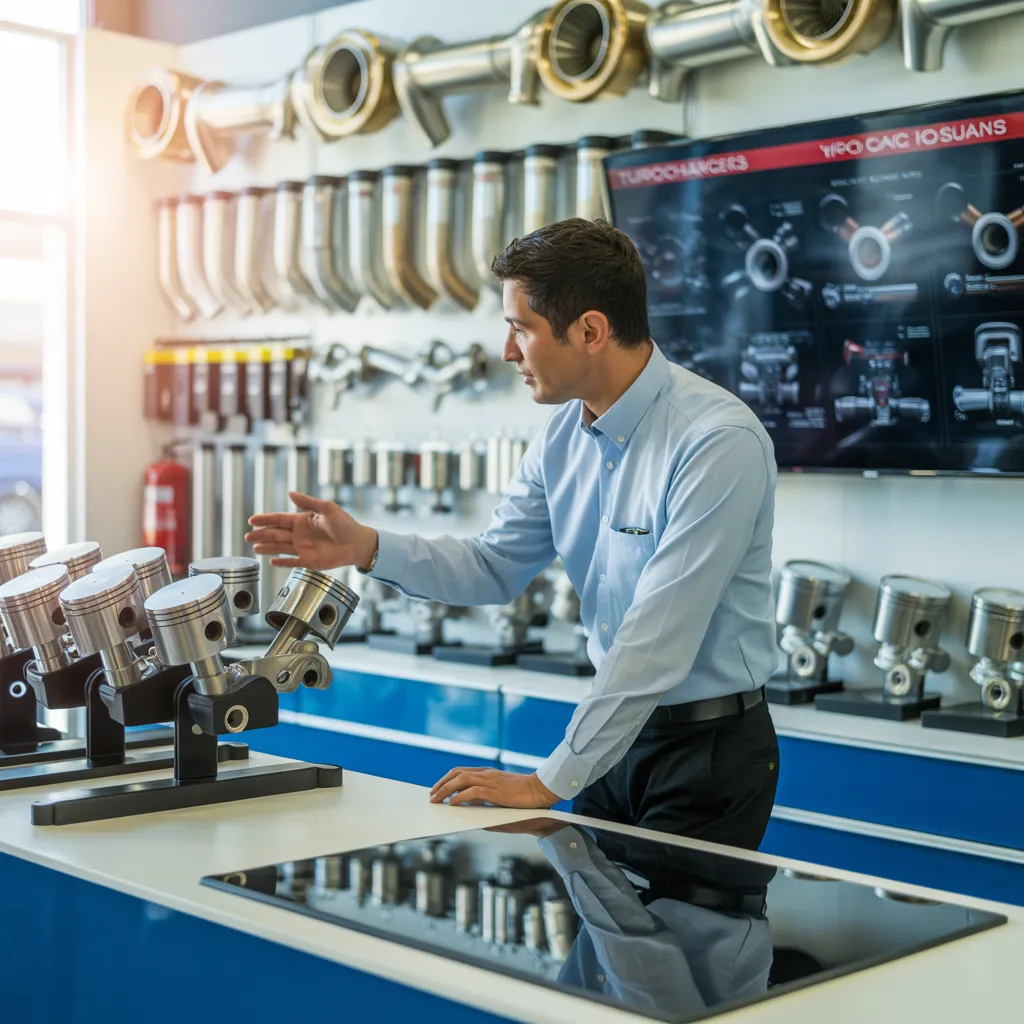
Imported engine parts matter significantly in the automotive industry, as they often provide exceptional quality and superior performance relative to domestically manufactured options. Companies from countries well known for their engineering precision, such as Germany and Japan, develop components that regularly feature advanced technologies and materials. These foreign-sourced parts can significantly boost vehicle reliability, efficiency, and overall performance, making them a compelling selection for manufacturers and consumers alike.
Furthermore, the international market encourages competition, fueling innovation and maintaining competitive pricing. As a result, mechanics and technicians frequently pursue imported components to verify their vehicles match or outperform industry standards. Furthermore, the availability of a wide range of imported engine parts enables mechanics and enthusiasts to customize vehicles to their specifications, improving both performance and visual appeal. At its core, the adoption of imported engine parts plays a vital role in the ever-evolving evolution of the automotive sector, fostering a more vibrant and progressive landscape.
Assessing Quality: Essential Indicators in Engine Components
When assessing the caliber of engine components, multiple important criteria are necessary for sound decision-making. To begin, materials play a critical role; superior components commonly employ robust metals or cutting-edge composites designed to combat wear and corrosion. Additionally, fabrication techniques warrant close inspection; exact manufacturing practices and conformity to established industry standards often signal outstanding quality. Moreover, brand reputation and manufacturer certifications provide insight into reliability and performance. Organizations that have consistently demonstrated outstanding quality associated resource are generally regarded as more reliable.
In addition, extensive quality control and testing measures are critical; elements subjected to thorough examinations are less susceptible to malfunction. Finally, guarantee options can signal assurance in the component's resilience. A thorough knowledge of these factors enables buyers to distinguish superior engine components from inferior alternatives, providing greater efficiency and endurance for their vehicles.
Confirming Compatibility of Imported Components
Ensuring compatibility of engine parts is essential for ideal vehicle performance, as poorly matched components may cause inefficiencies and high repair costs. When considering imported parts, it is important to reference the vehicle's specifications and manufacturers' guidelines. Each engine has unique requirements, including size, fit, and functionality, which must align with the imported component.
Moreover, checking part numbers against references can serve to validate compatibility, as most manufacturers provide databases for this purpose. Understanding the parts' origin is equally important; different regions may have different standards and specifications.
Speaking with specialists or automotive experts knowledgeable about the specific engine type can deliver useful guidance, while owner testimonials may offer practical experiences regarding suitability. In the end, thorough research and careful consideration of each aspect will contribute to making informed choices, ensuring that the acquired parts will function harmoniously within the vehicle's system.
Securing the Lowest Prices for Parts
While looking for cost-effective imported engine parts, evaluating several suppliers is crucial. Such a strategy enables a thorough evaluation of prices and options available in the market. Moreover, checking online marketplaces can reveal favorable offers that might not be discovered through standard retail sources.
Review Multiple Vendors
Several suppliers offer an extensive selection of foreign-sourced engine parts, highlighting the importance of effective price comparison for buyers. By requesting pricing from several distributors, consumers can develop an understanding of average market costs and recognize competitive offers. This method encompasses more than just reviewing listed costs, as it also includes assessing freight charges, applicable tariffs, and warranty terms. Additionally, buyers should assess the reputation and reliability of each supplier, because the level of quality can substantially affect long-term ownership expenses. Feedback and scores from past buyers can offer useful insights into the vendor's customer service and merchandise quality. Ultimately, a thorough comparison empowers buyers to make informed decisions, guaranteeing they secure the greatest value for their foreign-sourced engine components.
Browse Online Marketplaces
How can buyers navigate the extensive array of web-based platforms to find the best prices for imported engine parts? First, conducting thorough research across various platforms is essential. Websites like eBay, Amazon, and specialized auto parts retailers often feature competitive pricing. Buyers should utilize filters to narrow down options based on brand, price, and condition—brand new or secondhand. Moreover, examining customer reviews and vendor ratings can deliver useful perspectives on product quality and trustworthiness. It is likewise recommended to examine return policies, verifying that products can be returned if required. In conclusion, enrolling in price reduction alerts can enable buyers to capitalize on opportunities when they emerge. By applying these methods, buyers can improve their search for budget-friendly imported engine parts.
Choosing Trusted Suppliers and Brands
Identifying trustworthy suppliers and established brands is critical for securing the standard and durability of purchased engine parts. Purchasers should perform thorough research to identify suppliers with strong testimonials and a strong reputation within the automotive community. Established suppliers often offer detailed product information, warranties, and client assistance, which can be indicators of their trustworthiness.
You should choose brands known for their production standards and quality assurance procedures. Accreditations and industry recognitions can function as indicators for measuring a brand's trustworthiness. Additionally, engaging with forums and discussions among automotive enthusiasts can provide insights into trustworthy suppliers.
To conclude, confirming the provider's warranty policy and customer support is important. A reputable vendor will support their merchandise, delivering support in case of issues or defects. This practice not only elevates the shopping experience but also supports the overall performance and reliability of the engine components.
Frequent Errors to Steer Clear of When Purchasing Engine Parts
When purchasing engine parts, purchasers commonly neglect important considerations that can lead to costly mistakes. One common error is not checking compatibility with their vehicle's make and model, which can result in wasted time and money on incorrect parts. Moreover, certain purchasers fail to research the reliability and genuineness of imported parts, leading to poor functionality and serious safety concerns.
Another common mistake is not considering the warranty and return conditions. Most buyers mistakenly think that all parts come with coverage, which puts them in a difficult position if a part breaks down unexpectedly. Additionally, overlooking delivery expenses and timeframes can interfere with planned repair or build deadlines. Lastly, shoppers tend to rush their purchasing decisions, neglecting important factors like part details and customer feedback. By avoiding these pitfalls, buyers can reach better purchasing decisions, ensuring a smoother experience when sourcing imported engine parts.
Guidelines for Optimal Installation of Foreign Components
Properly installing imported engine parts demands close attention to a number of critical factors. Employing the right tools, complying with manufacturer instructions, and verifying parts compatibility are fundamental steps for an efficient installation process. By implementing these recommendations, technicians can boost both the efficiency and lifespan of the engine assembly.
Necessary Tools Required
A range of tools are necessary for the seamless installation of aftermarket engine parts, guaranteeing precision and effectiveness throughout the entire process. A torque wrench is indispensable for applying the proper amount of force to bolt fittings, eliminating the chance of damage or failure. Socket sets of varying sizes are required for handling various types of fasteners, while a ratchet can accelerate the procedure. Pliers and screwdrivers are also important for working with smaller components. A mechanic's creeper can boost comfort and access during the installation procedure. Moreover, possessing a complete set of metric and standard wrenches will accommodate different part specifications. Finally, safety gear, such as protective gloves and goggles, should never be ignored to maintain a safe working environment. Having the correct tools leads to a more efficient installation experience.
Follow Manufacturer Recommendations
Observing manufacturer specifications is vital for the effective installation of imported engine parts. Adhering to these guidelines confirms that parts are fitted accurately and function as intended. Each manufacturer provides thorough directions concerning specific tools, torque settings, and alignment requirements, which are essential for maximum efficiency. Overlooking these guidelines can cause potential engine damage, improper fitting, or serious safety hazards. Additionally, utilizing specified lubricants and sealants as specified will enhance the longevity of the engine parts. It is further recommended to contact the manufacturer's support team if doubts occur during fitting. By following these guidelines meticulously, one can secure their investment and preserve the reliability of their engine system.
Confirm Part Compatibility
Confirming alignment between engine components sourced from abroad and the existing components is essential for proper installation and peak engine operation. Before acquiring parts, you should validate key parameters, including measurements, material types, and design specifications. Matching part numbers against manufacturer records establishes that the imported parts will align correctly. Furthermore, browsing forums and customer reviews can provide insights into the experiences of other users, highlighting potential issues or successful installations. It is also advisable to look into warranty coverage and return procedures, offering recourse if parts do not meet expectations. As a final step, consulting a skilled mechanic experienced with foreign components can enhance the likelihood of a flawless installation, decreasing the potential for damage throughout the fitting procedure. Proper compatibility remains the cornerstone of superior engine operation.
Questions Our Clients Often Ask
Are Imported Engine Parts Covered by Warranty?
Imported aftermarket engine parts generally include a warranty, but terms of coverage vary among manufacturers and suppliers. It is important for purchasers to thoroughly review the terms and conditions to determine what is covered and identify any possible restrictions.
How Do I Confirm the Authenticity of a Part?
To confirm a piece's authenticity, you should examine the manufacturer's stamps, review the container for damage, reach out to certified dealers, and employ online databases or resources that catalog verified parts to ensure proper authentication.
What Import Regulations Should I Be Aware Of?
Import requirements involve understanding emission regulations, safety standards, tariffs, and customs duties. Adhering to these regulations is crucial to avoid fines and guarantee that parts fulfill both legal and performance standards for the operation of vehicles.
Can I Return Imported Parts if They Don't Fit?
Returning imported parts usually relies on the supplier's return terms. If the parts do not fit, customers should check the specific terms regarding returns, including any fees or requirements that could be relevant.
How Can I Effectively Maintain Imported Engine Parts?
To maintain imported engine parts effectively, routine inspections, correct lubrication, and following manufacturer recommendations are necessary. Cleaning components and monitoring for wear can increase their longevity and maintain superior performance in various conditions.